History
Feb 5, 2026
History of Oil Palm in Malaysia
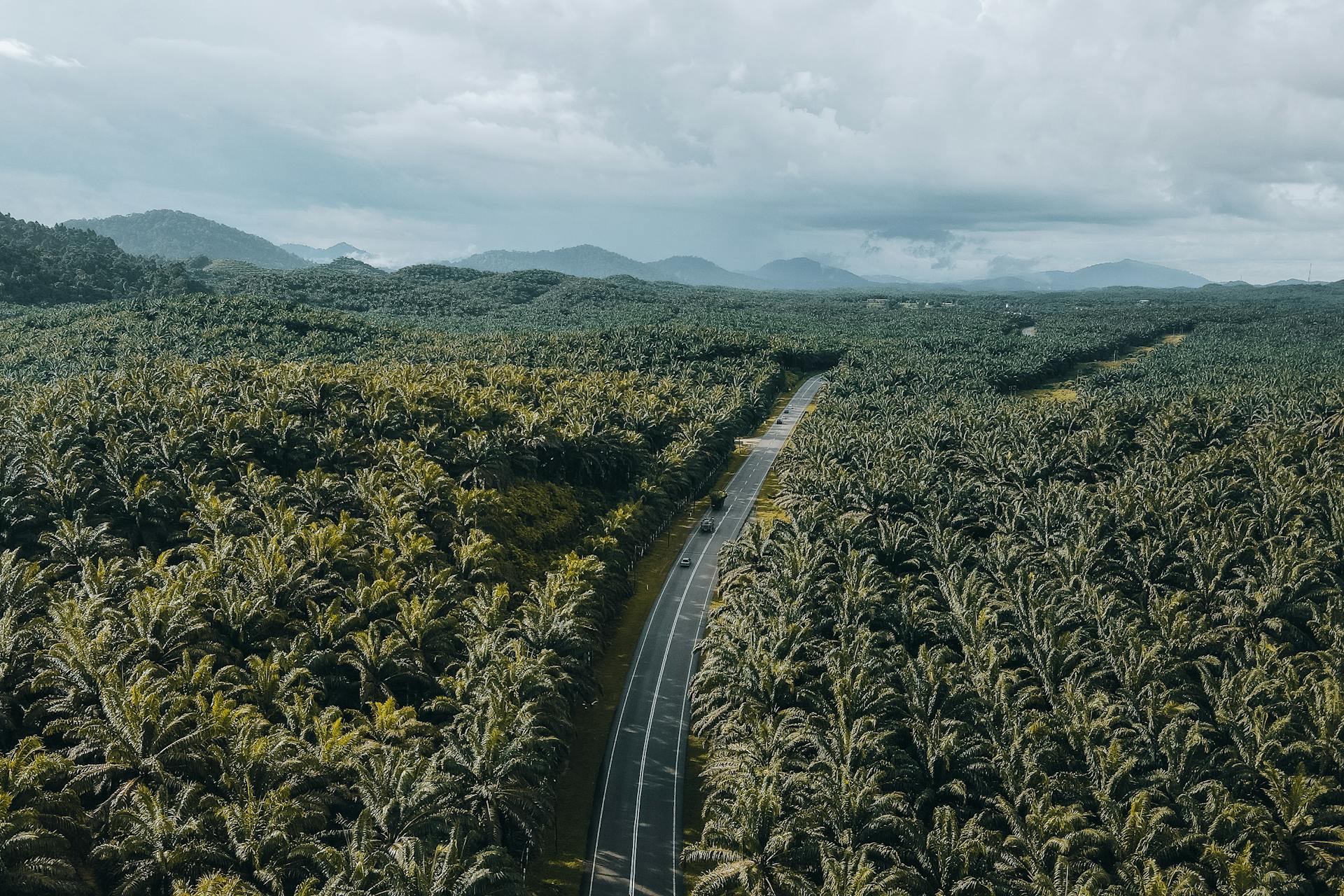
THE HISTORY OF OIL PALM IN MALAYSIA: The history of oil palm in Malaysia is a remarkable story of economic transformation, from a decorative garden plant to the backbone of the nation's agricultural economy. INTRODUCTION AND EARLY USE (1870s–1910): The oil palm (Elaeis guineensis) was brought to Malaya by the British in the early 1870s, with records placing its arrival between 1870 and 1875. Initially planted as an ornamental species in botanical gardens, it held no commercial significance during this period. THE BIRTH OF THE INDUSTRY (1917–1960): The industry's origins trace back to 1917, when French planter Henri Fauconnier established the first commercial oil palm plantation at the Tennamaram Estate in Selangor, marking the beginning of what would become one of the world's most significant agricultural industries. THE DIVERSIFICATION ERA (1960s–1980s): This period saw one of the most dramatic economic shifts in Malaysian history, as the government moved to reduce the country's heavy reliance on rubber. Large-scale land development schemes were introduced to promote oil palm cultivation across the country, diversifying the agricultural sector and significantly improving rural livelihoods in the process. MODERN EXPANSION AND INDUSTRIAL MATURITY (1980s–PRESENT): Malaysia rose to become the world's leading producer of palm oil for several decades before being surpassed by Indonesia. The industry's focus gradually shifted toward downstream processing, converting crude palm oil into higher-value products such as cooking oil, margarine, and oleochemicals including soaps and detergents. In recent years, sustainability has become a central priority, with the Malaysian Sustainable Palm Oil (MSPO) certification standard introduced to address environmental concerns and meet the requirements of increasingly discerning international markets.